Hope Best: A Handwritten Script Font with Heart
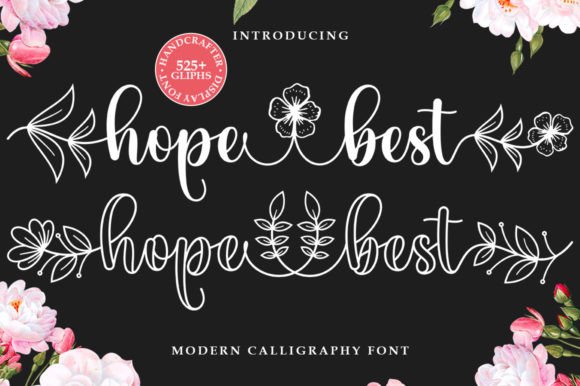
There’s a particular feeling that comes with a well-chosen typeface. It’s not just about the letters themselves, but the personality they convey. In a world saturated with clean, geometric sans serifs and authoritative serifs, a font like Hope Best offers a welcome pause. It’s a sweet and cursive handwritten script font, designed to feel less like a digital tool and more like a personal gesture. This gentle typeface doesn’t shout; it whispers, inviting a sense of warmth, romance, and authenticity into any project it touches.
More Than Just Pretty Swirls: Understanding the Font's Character
At first glance, Hope Best presents as a flowing, connected script. Its letterforms mimic the natural rhythm of a relaxed hand, with smooth curves and a consistent baseline that ensures legibility. Unlike some overly ornate scripts that sacrifice readability for flair, this font strikes a thoughtful balance. The connections between letters feel intuitive, and the overall x-height provides a comfortable reading experience even at smaller sizes. It’s a premium font that understands its role: to add a human, emotional layer without overwhelming the message.
The personality of this typeface is distinctly joyful and romantic, but it carries a modern sensibility. It avoids the trap of looking overly traditional or dated. Instead, it feels fresh and versatile, capable of complementing contemporary design aesthetics. Whether you're a designer, a small business owner, or a creative hobbyist, the appeal lies in its ability to inject a project with a sense of care and personal touch. It’s the kind of creative font that can make a brand feel more approachable or give a piece of editorial design an intimate, conversational tone.
Where This Script Font Truly Shines: Practical Applications
The versatility of a font like Hope Best is one of its greatest strengths. It’s not a one-trick pony destined only for wedding invitations. While it excels in that realm, its applications are far broader, spanning both digital and physical realms.
For Brand Identity and Logo Design: A logo sets the first impression. Using Hope Best in a logo can instantly communicate brand values of warmth, creativity, and authenticity. It’s particularly effective for businesses in the lifestyle, wellness, beauty, artisanal food, boutique retail, or personal coaching spaces. It works beautifully as a primary logotype or as a complementary accent in a broader brand identity system, perhaps used for taglines or special product line names.
In Marketing and Social Media: Digital spaces thrive on personality. This handwritten font can cut through the noise of sterile corporate communications. Use it for impactful quotes in social media graphics, to highlight a key benefit in an email newsletter, or for the title of a blog post to draw readers in. Its gentle aesthetic is perfect for Instagram stories, Pinterest pins, and Facebook ads where a personal connection is key. It adds a layer of visual hierarchy that guides the eye naturally.
Across Publishing and Editorial Design: Imagine a cookbook with chapter titles in Hope Best, or a lifestyle magazine using it for pull quotes and sidebar headers. In editorial design, it provides a wonderful contrast to the structured body text of a serif font or sans serif font. This contrast creates dynamic layouts that feel both professional and engaging, enhancing the reader's experience without causing fatigue.
Packaging and Physical Products: The tactile world is where this script font’s charm is undeniable. On packaging design, it can make a product feel handmade and special. Think of the label on a artisan candle, a jar of local honey, or a cosmetic product. It suggests quality, care, and a story behind the brand, which is a powerful driver of consumer choice.
Personal Projects and Crafting: Beyond commercial use, Hope Best is a fantastic design asset for personal creativity. It’s ideal for creating custom greeting cards, party invitations, inspirational wall art, or personalized gifts. Crafters and hobbyists will find it invaluable for adding that professional, polished touch to DIY projects.
Integrating Hope Best: A Designer's Practical Guide
Choosing the right font is only half the battle; using it effectively is what makes a project successful. Here’s how to approach integrating Hope Best into your work.
Evaluate the Project Fit: Start by asking: What is the core message and audience? If the goal is to convey trust, authority, and precision—like for a law firm or financial institution—this probably isn’t your primary font. But if the project calls for friendliness, creativity, and a personal touch, it’s a strong candidate. Always consider the existing visual language of the brand or publication.
Master the Art of Font Pairing: A script font rarely works well alone for large blocks of text. The magic happens in pairing. Hope Best pairs exceptionally well with clean, neutral typefaces. Try it with a modern sans serif font like Montserrat or Lato for a fresh, balanced look. For a more classic, elegant feel, pair it with a simple serif font like Garamond or Baskerville. The key is to let the script be the star for headlines and accents, while the supporting font handles the heavy lifting of body copy.
Test for Readability and Scale: Always test the font at the sizes you intend to use it. While it’s legible for a script, it’s not meant for long-form reading. Use it for short bursts of text: headlines, subheads, callouts, and logos. In web design, consider its performance on various screens. A good practice is to pair it with a web-safe fallback font in your CSS.
Review the Included Styles and Licensing: A quality premium font often comes with more than just the basic letters. Check if Hope Best includes alternates, swashes, or ligatures. These extra glyphs can add beautiful, unique flourishes to your designs, making them stand out. Crucially, ensure the license covers your intended use—whether for a personal blog or a client’s commercial product line. Respecting the creator’s terms is part of professional practice.
Ultimately, Hope Best is more than just a collection of glyphs. It’s a tool for storytelling. It allows creators to infuse their work with emotion, to build brands that feel human, and to design communications that resonate on a personal level. In the vast landscape of modern typography, its gentle, joyful presence is a reminder that the fonts we choose are silent ambassadors of feeling. When used with intention, this display font can transform a simple message into something memorable and heartfelt.